
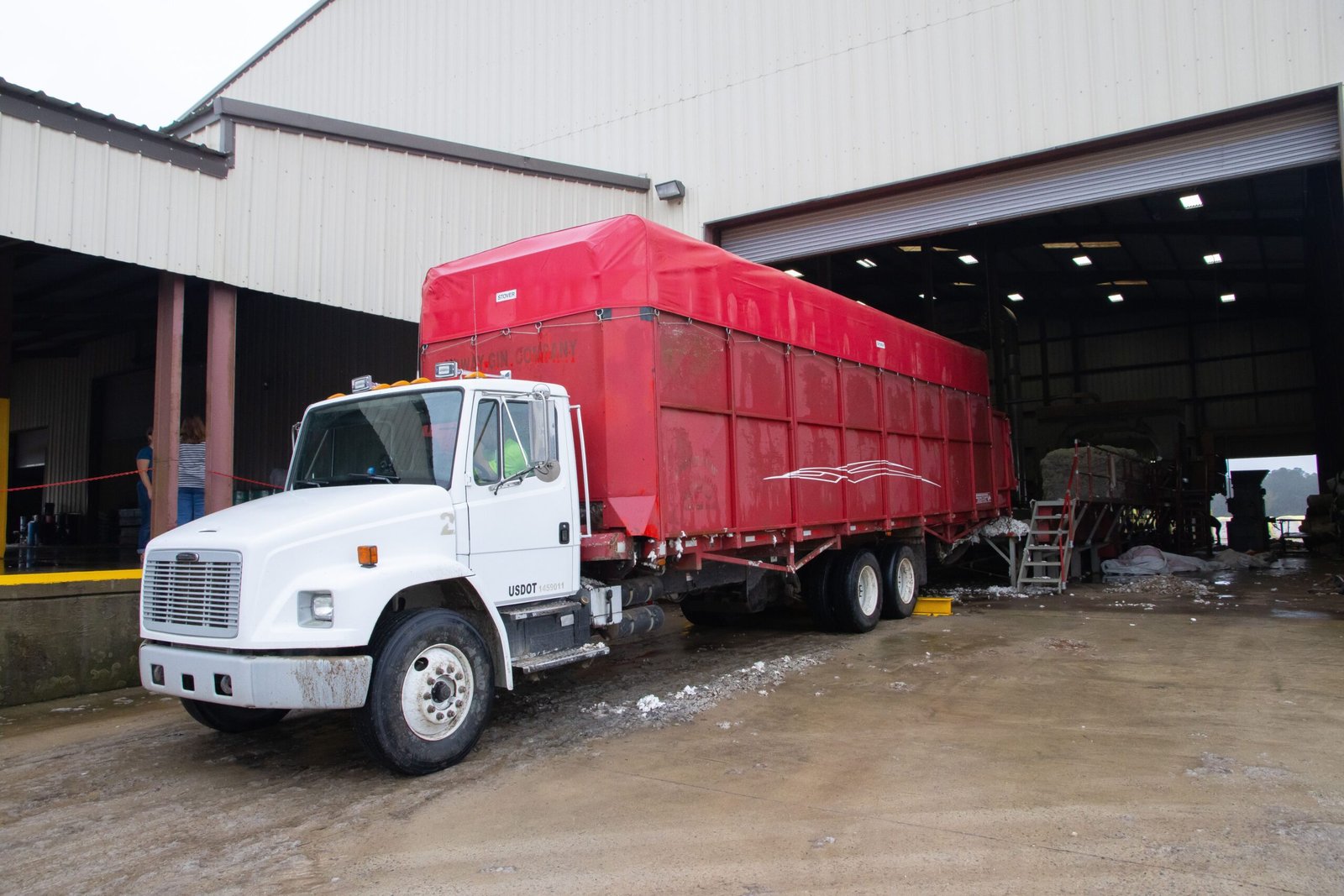
Working boards forever puts a ceiling on your rate that you can’t do anything about, because every load has already had a broker’s spread taken out of it before it ever gets posted. Direct shippers pay the full rate. Getting there isn’t luck, and it isn’t waiting for a broker to hand you a good relationship out of nowhere. It’s a specific, deliberate process, and most carriers never actually run it.
The simplest source you’re already driving past
Start with the facilities you already deliver to as a broker-sourced load. Ask the dock worker or shipping clerk one direct question: “Do you guys ever need extra trucks for outbound freight?” Most carriers never ask this, they just drop the load and leave. You’re already standing in the building. It costs nothing and it’s the single highest-odds move available to you.
Building an actual prospect list
- Drive manufacturing zones and warehouse districts on your regular routes, note company names, and research their shipping patterns afterward
- Thomasnet.com lists over 500,000 manufacturers searchable by product and location; state manufacturing directories and USDA databases work the same way for agricultural freight
- Apollo.io or ZoomInfo let you search “Logistics Manager” or “Transportation Coordinator” by industry, location, and company size, and pull direct contact names and numbers
- LinkedIn, searched by job title and filtered to your operating geography, works best when you engage with a few of their posts before sending a cold message, not as the opening move
The realistic timeline
Weeks one and two: build a real list of 20-30 prospects, not a spreadsheet you never open again. Weeks three and four: start outreach and expect something like a 10-15% response rate. That’s normal, not a sign you’re doing it wrong. Months two and three: shippers who respond usually want to see 3-5 trial loads before they’ll talk contract. Months three to six: if those trial loads run clean, contracted lanes start showing up. This is a quarter-plus project, not a weekend one.
What makes a shipper actually say yes
The same verification problem that shows up everywhere else in this business shows up here first: a shipper vetting a new carrier wants to confirm you’re real before they’ll even take the call, matching company name, working email domain, a website with your MC/DOT number on it. After that, it comes down to whether your trial loads run on time with no surprises. Reliability on the first few loads is what turns a one-off into a lane.
Where this leaves board work
Most carriers don’t drop boards entirely, they shift the ratio over six to twelve months as direct volume grows. Boards fill the gaps between direct loads while those relationships are still being built, and even carriers with strong direct-shipper books keep board access open for the weeks when direct freight runs thin. The goal isn’t zero board work, it’s making direct freight the majority instead of the exception.