
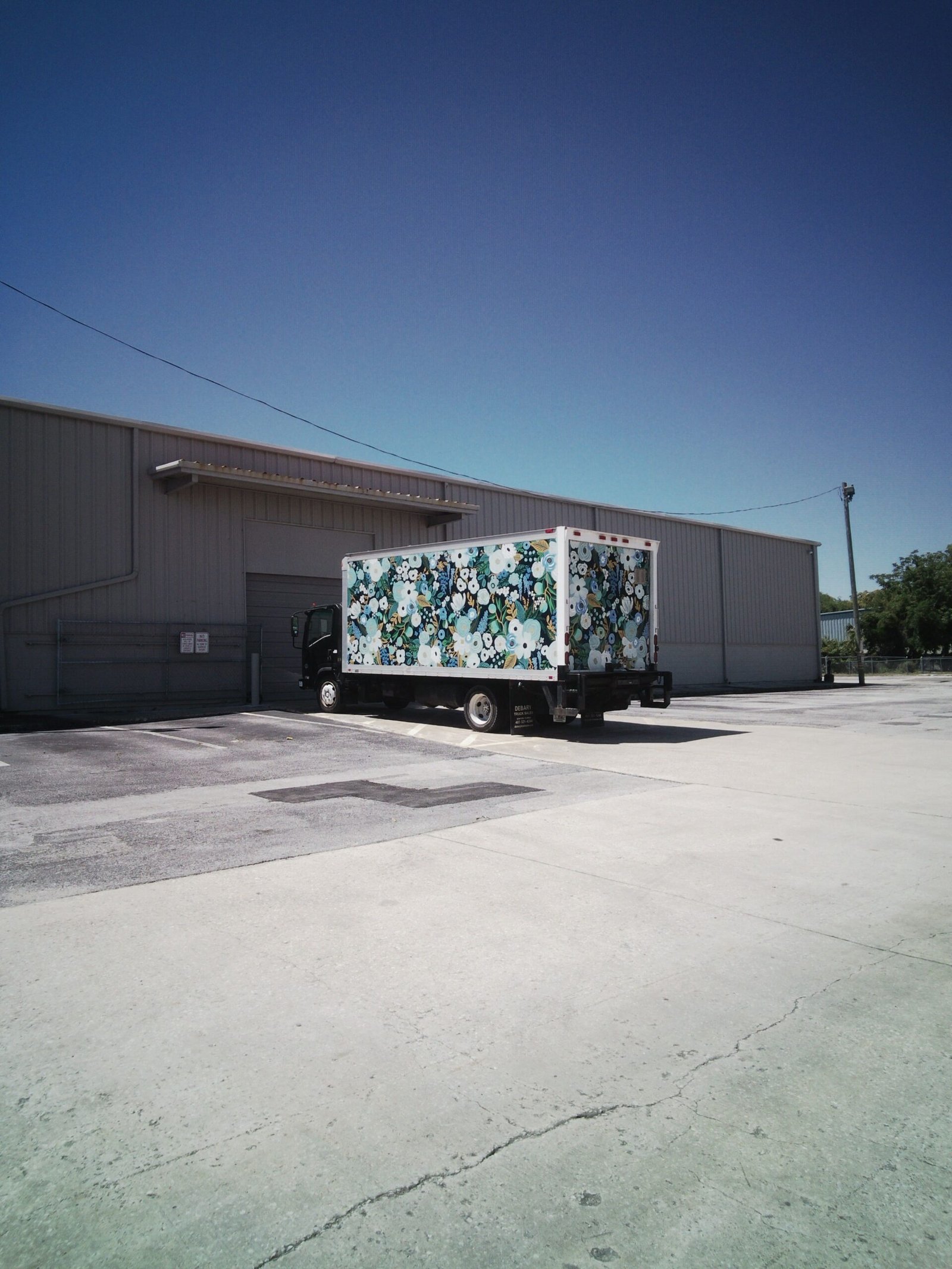
We’ve already covered whether a box truck operator needs a dispatcher in the first place. This is the other question, the one people ask after they’ve decided yes: what actually happens, day to day, once you’re working with one. Most of what determines whether it’s worth the cut isn’t the sales pitch, it’s whether the process underneath it is actually tight.
Setup starts with your carrier packet, not your first load
Before a dispatcher can book you anything, brokers need your carrier packet on file, and this is the same packet for every broker relationship, assembled once and reused. It typically includes your carrier profile (legal name, MC/DOT numbers, tax ID), a signed W-9, your FMCSA operating authority document, a certificate of insurance (commonly $1 million auto liability and $100k cargo minimum), your safety rating or a completed safety questionnaire, and a signed broker-carrier agreement. If you’re factoring invoices, add a Notice of Assignment and an ACH form for direct deposit.
With a complete, organized packet, broker approval can take as little as 15-30 minutes on a streamlined system, a few hours is typical during business hours. A good dispatcher keeps this file current and ready to send the moment a new broker relationship opens up, which is most of the real time savings, long before the first load ever gets discussed.
The daily rhythm once you’re live
- Morning check-in on your availability, current location, and remaining Hours of Service, usually by text or a dispatch app, not just a phone call with no record of it
- The dispatcher works load boards and existing broker relationships to find loads that fit your specific truck’s dimensions and weight capacity, and usually brings you two or three real options instead of the first thing that popped up
- You say yes or no, the dispatcher locks in the rate confirmation and sends you pickup and delivery details
- Everything runs through a channel with a paper trail, text thread or app, not scattered phone calls that are impossible to reference later if a broker disputes something
What happens between pickup and delivery
A dispatcher worth the fee is tracking the load’s progress and stepping in if something runs long, negotiating detention pay with the broker directly instead of leaving you to fight that battle mid-route, and adjusting your next booking around the delay instead of stacking two loads you can’t physically make.
If you’re factoring, paperwork, the bill of lading and rate confirmation, needs to go out the same day for quick pay to actually be quick. Factoring typically costs 1-5% of the invoice for payment in a day or two instead of waiting the standard 30 days a broker pays on. A dispatcher who’s sloppy about getting that paperwork in fast is quietly costing you cash flow even if the load itself was booked at a good rate.
What a legitimate dispatcher does not do
They don’t take possession of your freight. They don’t re-tender your load to a different carrier once it’s booked. They don’t quote a shipper directly on your behalf, independent of what you’ve agreed to. Crossing any of those lines is what turns a dispatcher into an unlicensed broker, and it’s worth knowing that line even if you never expect to need it.
What it should look like after 30, 60, 90 days
Week one is mostly board-sourced loads while the dispatcher is still building trust with new brokers on your behalf. By month two or three, you should see more loads coming from repeat broker relationships built specifically around your lanes and equipment, not cold board searches every single day. Past that point, a dispatcher who’s actually earning their cut is pushing for rate increases as your on-time record builds, not just re-booking you at the same number every time.
Related reading: Do You Need a Dispatcher for Your Box Truck? and How to Choose a Dispatch Company for a New Authority.